The Founder’s Perspective:
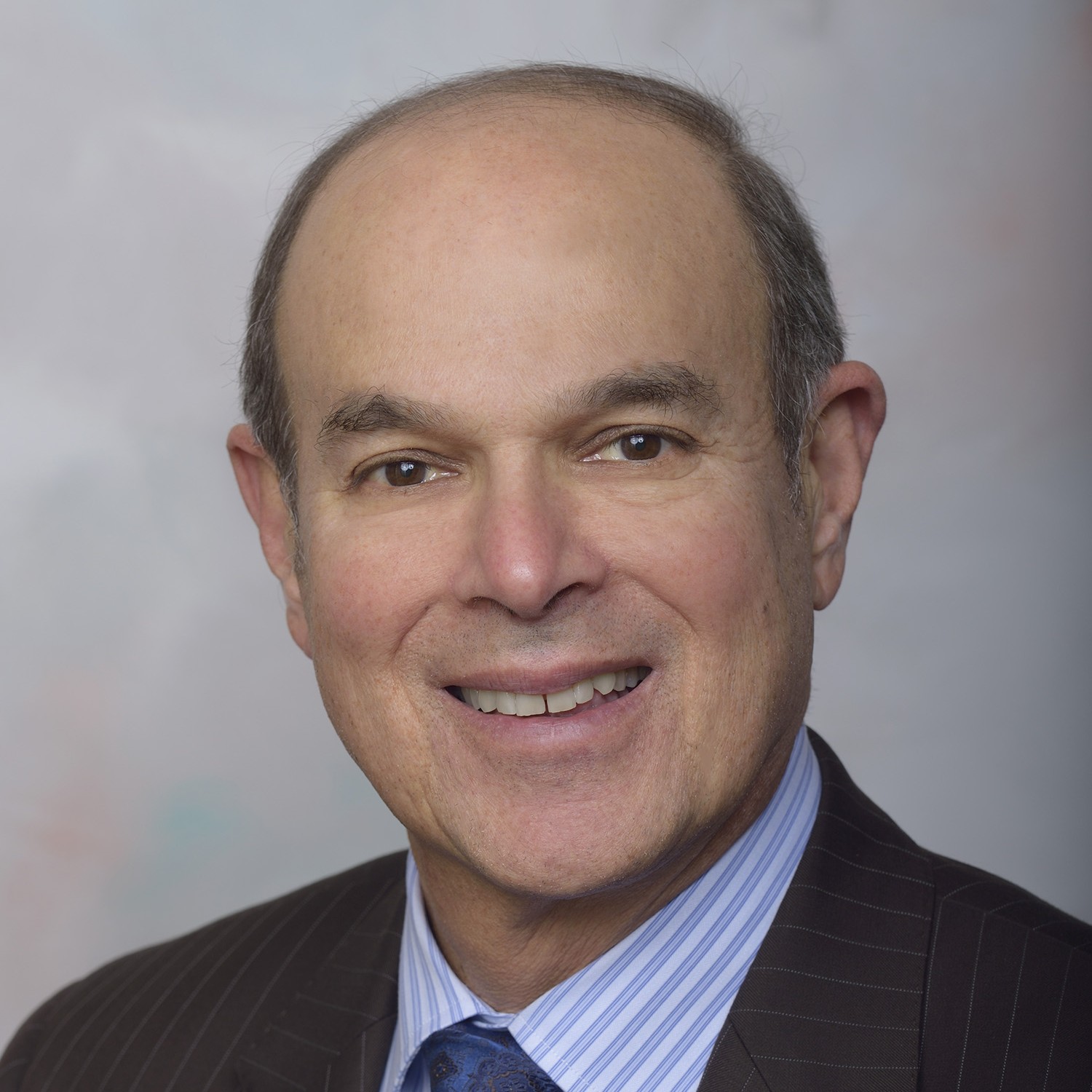
Dr. Mark Victor, Chief Executive Officer of Cardiology Consultants of Philadelphia
Summary
In our most recent installment of The Founder’s Perspective, Westcove Partners speaks with Dr. Mark Victor, Chief Executive Officer of Cardiology Consultants of Philadelphia, about his perspective on the journey and pivotal moments that influenced the outcome of the decision to consider partnership options.
About Cardiology Consultants of Philadelphia
Cardiology Consultants of Philadelphia has partnered with Cardiovascular Logistics
Cardiology Consultants of Philadelphia (“CCP”) is the largest independent cardiology practice in the U.S., with over 90 cardiologists, 50 advanced practice providers, and nearly 700 employees across more than 30 locations in Southeastern Pennsylvania. Known for its clinical excellence, research, and patient-centered care, CCP is deeply rooted in the community and affiliated with several major hospitals in the region.
“Westcove was an exceptional partner throughout the process. Their deep healthcare expertise, thoughtful approach, and alignment with our goals were instrumental in achieving an outcome we are proud of.”
– Dr. Mark Victor, Chief Executive Officer, Cardiology Consultants of Philadelphia

How did you know it was the right time to pursue a transaction, and what finally pushed you to move forward?
We had been getting cold calls from dozens of private equity firms over the course of three or four years, and I’d politely say, “We’re not interested right now, thanks. We’ll call you. Don’t call us.” After about 18 months, I said to the board, “You know, we have a lot of colleagues that have transacted in other specialties, and this is a life form of its own. We should probably explore it and do due diligence like we do with everything else inside the practice.” The board gave me the latitude to go ahead and start exploring whether or not there was something in it that was worth our true attention.
At that time, I was still a fairly negative skeptic on the opportunities, because we felt that we didn’t really need anything. We didn’t require capital, which is a strategic decision. We didn’t need administrative oversight. We didn’t need expertise in revenue cycle. We didn’t need expertise in physical plant management. We didn’t have a problem with growth, because we had grown very large in our local market. What we didn’t understand is what the opportunities were: how we could get multi-state, and how we could leverage economies of scale in virtually every aspect of running the business, from procurement all the way to negotiating national contracts. So those were the key parameters that, as we began diving deeper, there began some resonance. That’s when we decided that it was time.
How did you think about your employees and your patients going into the process, and how do you feel that played out?
As we began to do our due diligence, there were a couple of key factors that helped narrow a field of 20 down to less than 10. First, and still first today, is that the way we treat patients clinically is sacred, and no one was going to tell us to change that — no administrator was going to tell us to do more testing, or to do it in a different location, in a different way, or more frequently. Second, we felt that we, better than anyone else, knew our employees: what their capabilities were, where we could develop them, and how they related both to each other in the offices they serve and to their longstanding relationships with their patients. Those were two key ingredients that had to remain as we moved forward.
What surprised you most about the process?
What surprised me was how long the due diligence took, both from our perspective and then from their perspective, learning about us. Once we whittled it down to the final decision, I thought this would only take a month or two, but the process took much longer to get across the finish line. We’re a complex, very large organization, larger than any that they’d ever partnered with before, and I think that surprised them as well. The level of detail, and the amount of due diligence, both from the accounting side and every other aspect of the negotiations, was more complex than I think either party expected.
How did the final outcome compare to what you were expecting when you started?
Having never been through a process, I learned a lot. I knew a lot about my business, a lot about the cardiovascular product line, but I’d never done this before. I didn’t have the hubris to believe I knew enough to do it alone, which is what led me to hire an investment banker. Because of that collaboration, I’d say our final outcome was far better than what I had anticipated.
What would you do differently if you were starting over?
I think we only made one mistake, which, out of about 300 decision points, is a pretty good track record. The mistake we made was not being the first to be the foundation of a platform — we waited too long. So we weren’t the first, though we were the biggest, and we were foundational, and still are. We’ve had a lot of input into the direction of the platform, and one of our members — me, at the moment — sits on the platform board and has a lot of input. However, if we had approached it differently, we could have potentially established ourselves as a foundational practice, which could have presented various opportunities.
How does your life look now compared to where you were before the transaction?
For our average shareholder, our average physician, our average advanced practitioner, our average employee, a year and four months later, life looks exactly the same. That to me is a strategic win. Operationally, we still run the practice exactly the way we did, and decision-making resides with us.
I now have a team of experienced peers to share ideas with, who we meet monthly and our teams already share ideas, borrowing from one another in a really exciting way in this first year. For me personally, it’s been great to watch this come from an idea; like any building, watching it move from blueprints to something real is always exciting.
My life is a bit more complicated. I now have more meetings, because along with the practice meetings I have platform meetings, plus a bit of travel — which, at this stage, isn’t something I was looking to take on much of. But it hasn’t been onerous; it’s a couple of trips a year, so it’s not a big deal. Overall, I’d say it’s way better than any other story I’ve heard, and better than my expectation.
Anything you wish you had known before our first conversation, almost three years ago?
Westcove was a great strategic partner and taught me a lot. I consider myself an expert in the cardiovascular product line — I’ve been living it for 40 years — but I’d never been in this space before, and likely won’t do a deal like this again. Everybody comes to it with their own knowledge base, and I think Westcove taught me a lot, and taught the executive committee of our board a lot, through regular meetings.
We were very transparent, and Westcove was always immediately available — not just on Zoom, but you all made your fair share of trips to the East Coast, which addressed one of the things I’d worried about when we first hired Westcove. That transparency and willingness to get in front of the shareholders is a big part of why we were able to get 100% of the shareholders to vote for the deal, with no one leaving. I don’t think that record will ever be beaten for a group of 90 shareholders.
What would you say to a fellow founder who is on the fence about whether to explore a transaction?
I think the common mistake people make is looking at this as a single, isolated event in time, usually driven by the desire to monetize the value they’ve built in their practice. They look around and say, well, we’ve pretty much conquered our immediate market, whatever that is. At that point, we have a kind of bidirectional choice. We can either end up employed by a health system that’s happy to employ us — they’ll give us a few dollars for our assets, maybe a few dollars for directorships, but mostly what they’re giving us is a three-year salary guarantee, and maybe not even that. We lose our autonomy, our governance, our connectivity to the outside world, and even our patient independence, because we’re told where studies have to be done and why, even if it’s more expensive for the patient. Or, we have the choice of joining other colleagues and growing.
The reason should never be to get that one paycheck, that one pivotal cash-out check. The greed that drives decision-making is wanting the biggest check possible, and that check is driven by EBITDA. You hear horror stories about some of the early retina and ortho practices sacrificing 45% of compensation for a big payday — a payday made even more attractive because it comes as a capital gain instead of ordinary income, with the right advice from the right bankers. But that temptation, that bright, shiny object, is just one point in time. Even though it’s a big number, once it’s in the bank, the stock market, or real estate, the next few months and years bring a much smaller paycheck, and everyone in the household starts asking where the money is and how they’re supposed to live on this. Well, yes — but that’s how you designed the game.
My advice would be to choose a scrape [the portion of ongoing compensation sold down as part of the transaction] that you are certain you can recover within a few years, have the tools in your mind to know that you can, and then be thoughtful about what you wish for. We approached it with that mindset and were fortunate to experience nearly full income recovery approximately one year following the transaction.
This testimonial may not be representative of the experience of other customers. There is no guarantee of future performance or success. Each individual customer experience may differ and vary and may not always be representative of the services paid for.